
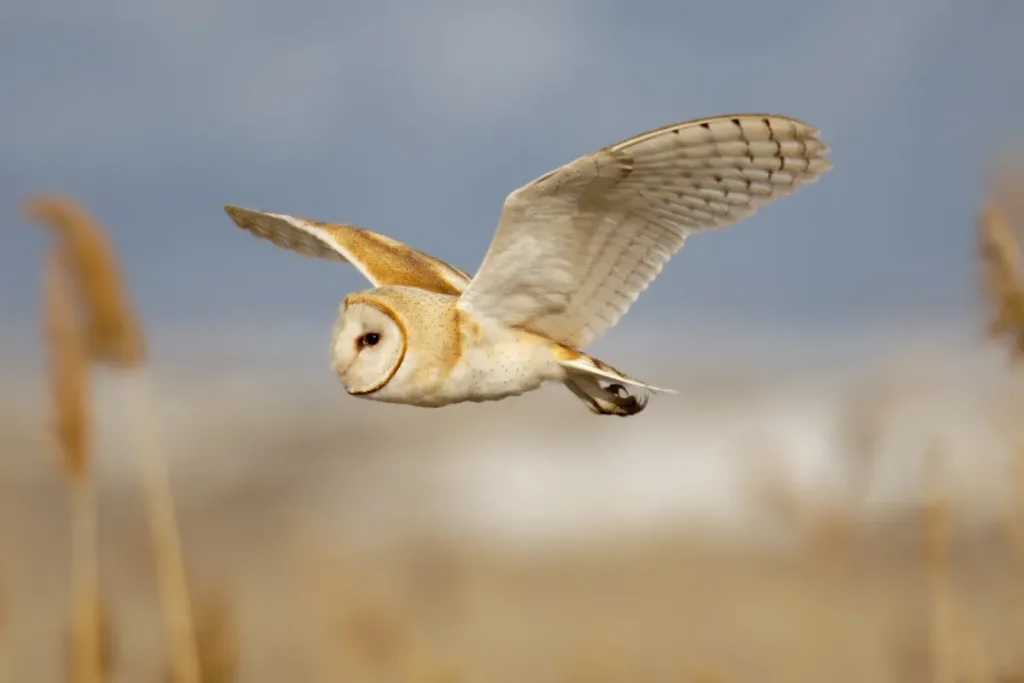
The barn owl is honestly one of the coolest birds out there. With its pale, almost glowing face and the way it glides without a sound (like a ghost in the night), it’s no wonder people are totally fascinated by it. Whether you’re a bird lover, curious observer, or just someone who stumbled upon this article, there is something fascinating to learn about this nocturnal hunter.
From its elegant form to the eerie calls at dusk, the barn owl is more than just a bird; it’s a silent guardian of the night. Stay with us as we fly into the world of the barn owl and discover why it deserves more appreciation.
Introduction to the Barn Owl
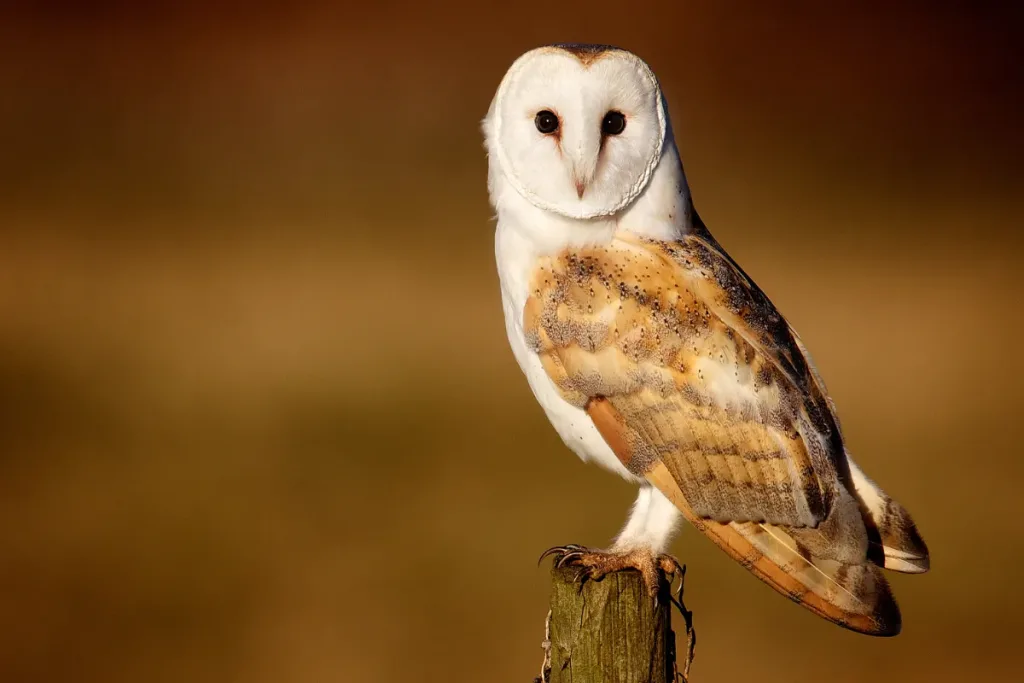
The barn owl, scientifically known as Tyto alba, is one of the most iconic owl species in the world. It stands out not just because of its beauty, but also because of its incredible adaptability. This bird is a member of the barn owl class known as Aves, and it’s known for being found on almost every continent, except the cold lands of Antarctica.
With its distinct appearance and haunting calls, the barn owl has made its presence known in both the wild and human environments. What makes it so unique? First, it’s a white, ghostly face and heart-shaped features.
Then, there’s its flight, so quiet that even experienced observers can be startled by its sudden arrival. The barn owl’s sound, or rather the absence of it during flight, is part of what gives it an almost magical presence.
Distinctive Physical Features
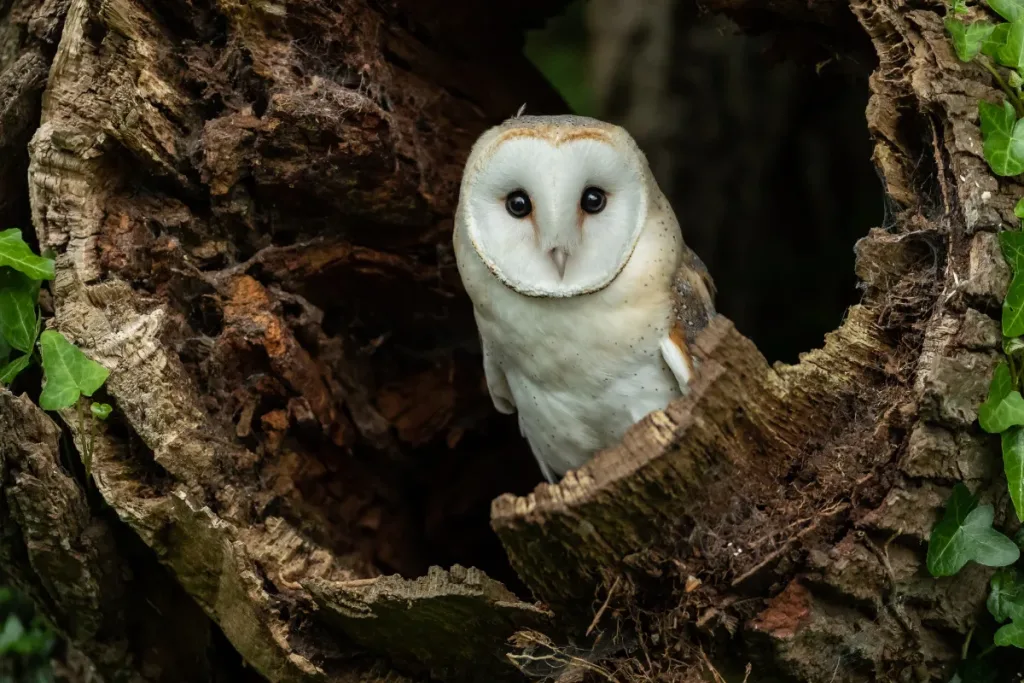
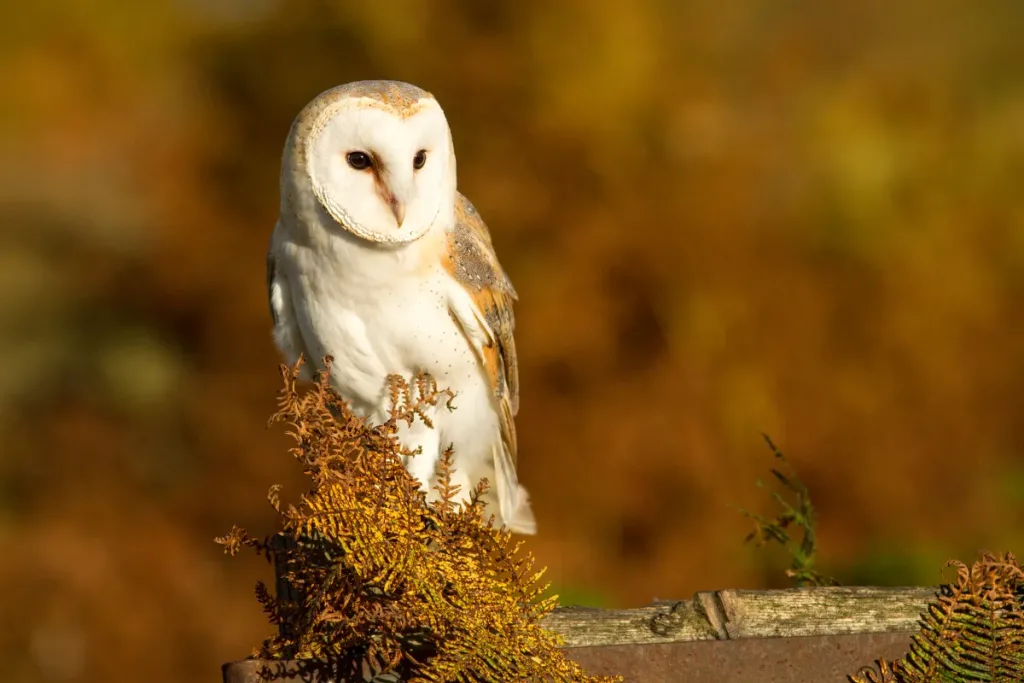
The barn owl’s look is unforgettable. Its heart-shaped face is not just for show, it helps channel sound to its ears, making it a master of hearing. Its eyes are pitch black and soulful, designed for night vision. Unlike many other birds, the barn owl has evolved to dominate the night.
Its feathers are a blend of soft white, golden-brown, and light gray, mottled beautifully across its wings and back. These colors not only help it blend into its surroundings but also give it a graceful appearance in flight.
In terms of barn owl size, it’s considered a medium-sized bird. Adults typically weigh around 400–600 grams and have a wingspan ranging from 30 to 40 inches. Despite its broad wings, its body is surprisingly light. This lightweight build helps it fly silently through the night skies.
The barn owl’s height is usually 12 to 15 inches. It may not be the tallest among owls, but its presence is larger than life, especially when spotted up close.
Behavior and Hunting Style
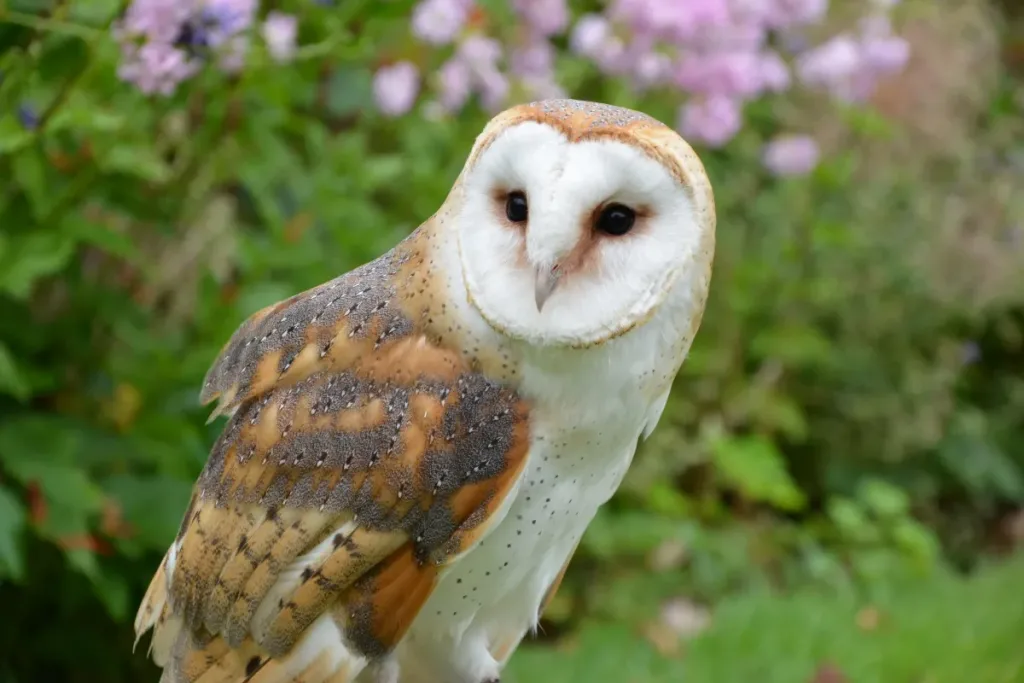
Barn owls are professionals when it comes to hunting. They rely heavily on sound rather than sight, even though they have good vision. Their ability to hear the smallest rustle in the grass makes them deadly to their prey. The shape of their face works like a satellite dish, catching even the tiniest noises made by a mouse beneath the ground.
These birds are mostly active during dusk and nighttime. They fly low over fields and meadows, silently gliding and scanning the ground. When they find a target, they dive down with remarkable precision.
Their favorite meals include small mammals like mice, voles, and rats. Because of their diet, barn owls help control rodent populations, especially in farming areas. That’s why you’ll often find them nesting in barns, hence the name. They also choose hollow trees and even abandoned buildings as nesting spots.
Even the barn owl’s sound they make is eerie, usually a screech rather than a hoot, different from the classic “hoo-hoo” owl call. This screech is loud and can be unsettling, especially at night.
Global Distribution and Habitat
Where do barn owls live? Practically everywhere, except in cold environments like Antarctica. Their adaptability is one of their greatest strengths. Whether in tropical, dry, or temperate climates, barn owls have found a way to survive.
You can find barn owls across Asia, Europe, Africa, Australia, and both Americas. In each of these places, they prefer similar types of environments. Open areas, such as grasslands, farmlands, and meadows, are ideal. These locations make it easier to hunt rodents.
Interestingly, barn owls often live near human settlements. Though they remain shy and rarely approach people, they benefit from being close to human activity, especially in agricultural areas where rodents are common.
They make their nests in barns, abandoned buildings, church towers, and old houses. Sometimes, they may even use specially designed owl boxes provided by conservationists.
Symbolism and Cultural Beliefs
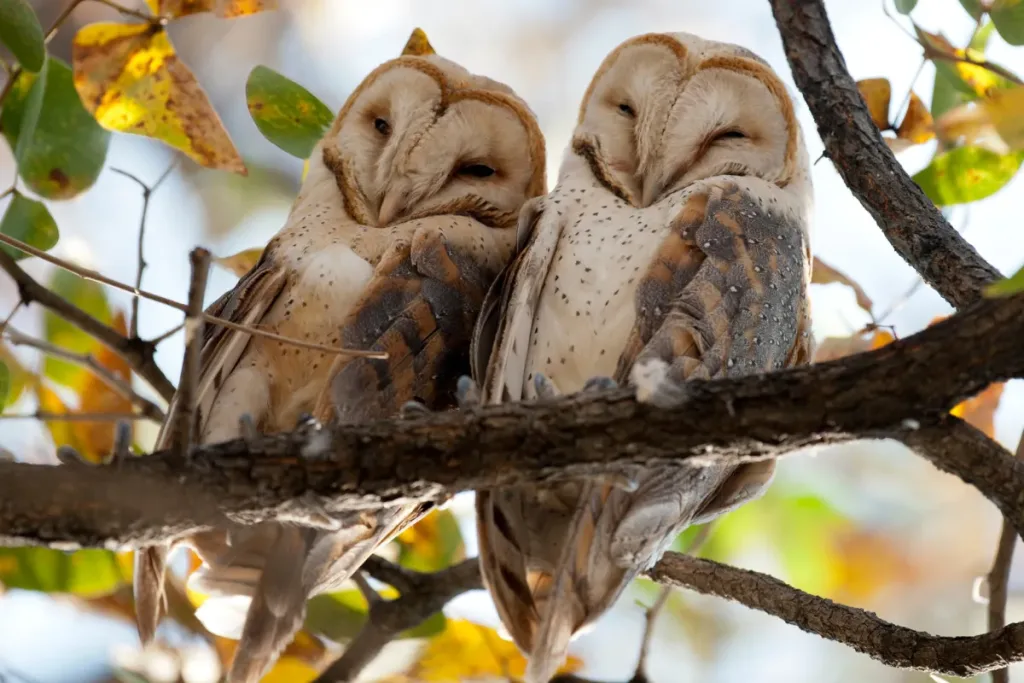
Owls have always carried a sense of mystery, and the barn owl is no exception. In many cultures, owls are seen as omens. Some view them as protectors and wise spirits, while others associate them with death or misfortune.
In ancient Greece, owls were linked to Athena, the goddess of wisdom. That’s why they’re often seen as symbols of intelligence and guidance. But in some African and European folklore, hearing a barn owl’s screech at night was considered a bad sign.
In parts of Asia and the Middle East, the barn owl is both feared and respected. Superstitions have often painted it as a messenger between worlds—between the living and the dead.
However, thanks to conservation and education efforts, people are starting to see barn owls differently. More schools, museums, and nature parks are teaching that barn owls are vital to the ecosystem. They keep rodent populations in check and signal a healthy environment. Slowly, negative beliefs are fading, replaced by curiosity and respect.
Meet Harry Potter Owl at Bali Bird Park
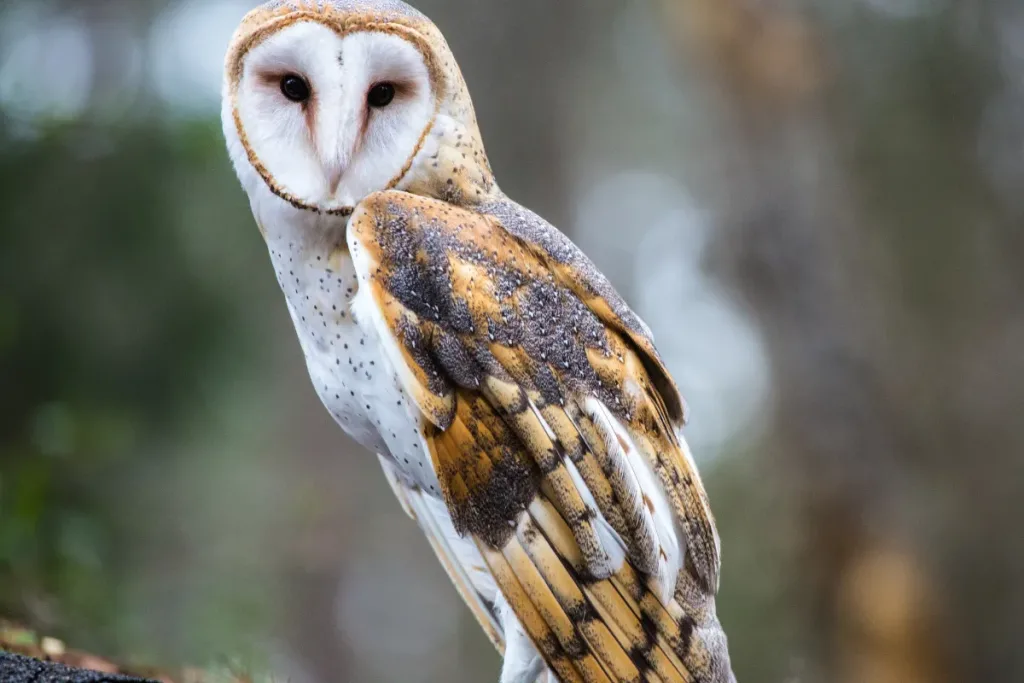
If you’re fascinated by barn owls and want to meet one in real life, there’s a place where magic and nature come together: Bali Bird Park. Located in Gianyar, Bali, this bird sanctuary is home to over 1,000 birds from across Indonesia and beyond.
One of the most popular residents is the barn owl, famously known by visitors as “Harry Potter’s Owl.” Although the owl in the Harry Potter films is a snowy owl, the barn owl here is no less charming. With its ghostly face and soft demeanor, it easily captures the hearts of children and adults alike.
Visitors can watch live feedings, interact with trained birds, and even pose for photos. It’s not just fun, it’s educational. You’ll walk away understanding more about barn owls, their hunting style, their role in nature, and how we can help protect them.
If you want to plan your visit, you can purchase your ticket here. Whether you’re a fan of owls or simply want a unique family experience, Bali Bird Park is a must-see destination.